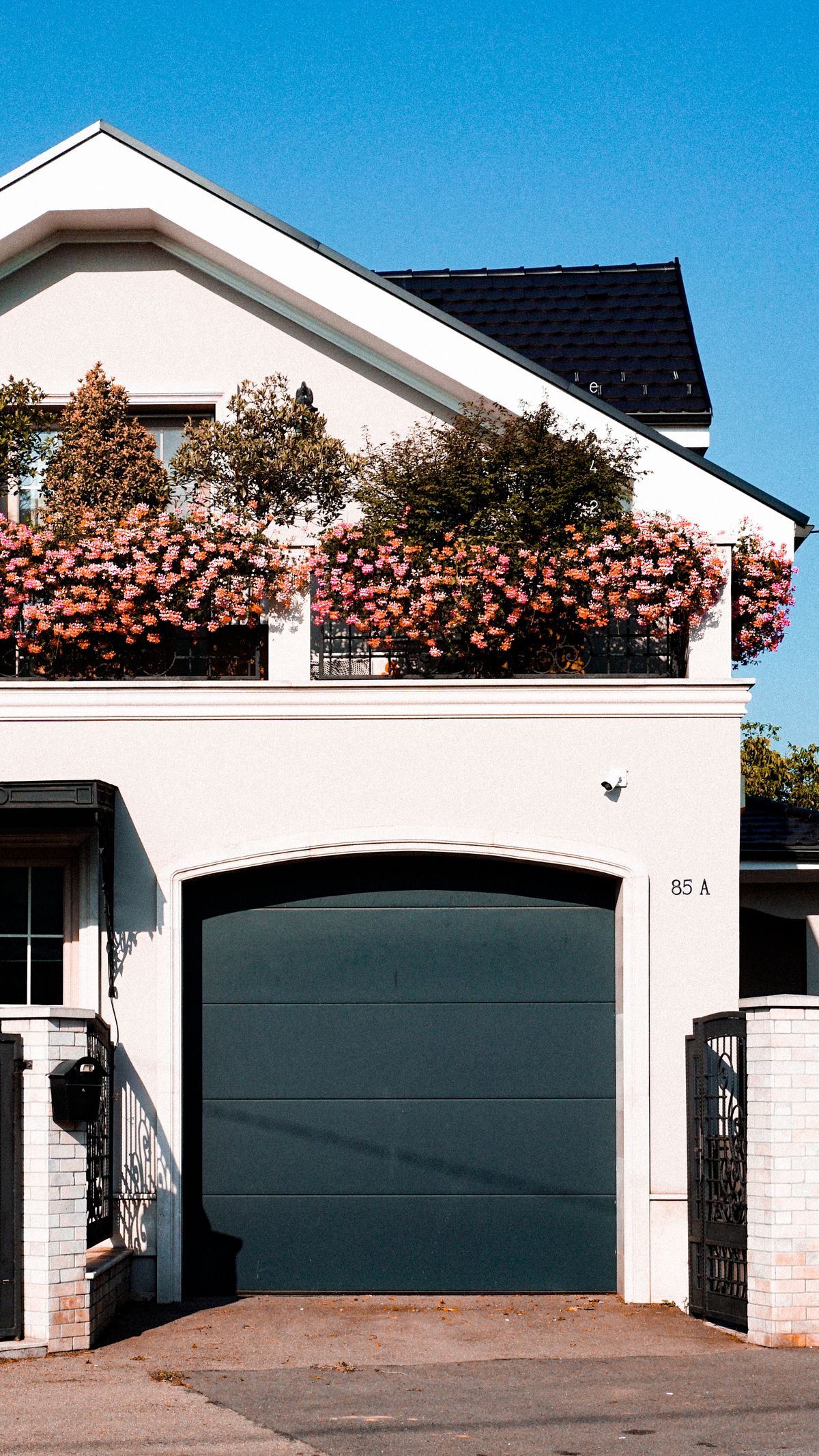
If you had $5,000 to spend on your home before listing it, where would you put it? Most homeowners instinctively say "the kitchen." The industry's own resale-value data says something different: put it on the garage door. It sounds almost too simple to be true, but it's one of the more consistent findings in remodeling economics, and understanding why explains a lot about how buyers actually value a home.
The finding: exterior projects dominate the top of the ROI list
Zonda's Cost vs. Value Report — the industry-standard annual survey of remodeling costs and resale value, now in its 38th year — has found for multiple years running that exterior replacement projects occupy the vast majority of the top-ROI spots nationally. In the most recent edition, 8 of the top 10 highest-ROI projects were exterior replacements, not interior remodels.
| Project | Approx. cost | Approx. value added | Approx. ROI |
|---|---|---|---|
| Garage door replacement | ~$4,700 | ~$12,500 | ~268% |
| Steel entry door replacement | ~$2,400 | ~$5,300 | ~216% |
| Manufactured stone veneer | ~$11,000 | ~$22,900 | ~208% |
| Vinyl siding replacement | ~$18,000 | ~$17,300 | ~96% |
| Wood deck addition | ~$18,000 | ~$17,300 | ~95% |
| Minor kitchen remodel (interior, for comparison) | ~$28,000–$30,000 | similar or more | ~113% |
| Major upscale kitchen remodel (interior, for comparison) | often $75,000+ | much less proportionally | ~36% |
The garage door's 268% figure means it has recouped more than double its own cost, in resale value added, for two consecutive years of the report — an unusually strong and repeatable result for something most homeowners barely think about.
Why the gap is this consistent, not a one-year fluke
Three mechanics explain why exterior projects keep winning, year after year:
- Cost math favors cheap projects. A $4,700 garage door only needs to add $4,700 in value to break even. A $75,000 kitchen needs to add $75,000 just to break even, and buyers don't scale their willingness to pay proportionally with how much you spent — most have an internal ceiling for what any single room is worth to them.
- First impressions happen before anyone opens the front door. Nearly every buyer — and nearly every real estate photo, listing thumbnail, and drive-by — sees the exterior first. A garage door often takes up a third or more of a home's visible front facade, so replacing a dented, dated one changes the entire first impression of the house.
- Exterior upgrades read as "well-maintained," which buyers reward broadly. Interior luxury finishes are more subjective — a buyer who doesn't cook may not value a professional-grade range. A clean, updated exterior signals "this house has been taken care of," which appeals almost universally regardless of the buyer's personal taste.
This isn't an argument against kitchens and bathrooms
None of this means interior remodels are a bad idea — it means they're a different kind of investment. A genuinely dated or malfunctioning kitchen or bathroom will still cost you at the negotiating table regardless of how nice your garage door is. The finding is specifically about where a limited budget goes furthest: cheap, visible exterior projects and a scoped-down, minor interior refresh outperform an expensive, all-out interior gut renovation on pure resale-percentage math. We cover that minor-vs-major gap for kitchens specifically in our kitchen remodel ROI breakdown, and the full ranked list across every project type in our 2026 home improvement ROI ranking.
A practical pre-sale spending order
If you're preparing to sell and trying to sequence a limited budget, the data points toward roughly this order of priority:
- Fix anything visibly broken on the exterior first — garage door, entry door, damaged siding, a sagging deck board. These are cheap relative to the impression they create.
- Address genuine functional problems inside — a leaking faucet, a broken appliance, failing grout — regardless of ROI, because buyers and inspectors will flag these either way.
- Do a minor, cosmetic-level kitchen or bathroom refresh if either room is dated but functional, rather than a full gut renovation.
- Reserve a major, high-end remodel for rooms you plan to enjoy yourself for years before selling, not as a last-minute pre-listing move.
What "curb appeal" includes beyond the tracked list
Zonda's report only tracks a defined set of projects, so plenty of genuine curb-appeal moves never get their own official ROI percentage: fresh exterior paint, basic landscaping and lawn care, updated house numbers and exterior lighting, and pressure-washing siding, walkways, and the driveway. These are broadly consistent with everything above — cheap, visible, and effective — even though they don't show up on the ranked list themselves.
Budgeting the interior side too?
See what a minor kitchen or bathroom refresh vs. a full remodel would actually cost before deciding how to split a limited budget.
Try the Kitchen Calculator Try the Bathroom CalculatorThe trade-off worth remembering
ROI percentage isn't the only thing that matters. A garage door doesn't make your kitchen more pleasant to cook in every day, and if you're not selling anytime soon, livability is a legitimate reason to spend on a room you actually use, even if the resale math is less favorable. The point of this data isn't "never remodel a kitchen" — it's that if resale return per dollar is genuinely your priority, the numbers consistently favor small, visible, exterior projects over large, expensive interior ones, and that's worth knowing before you decide where a limited budget goes.
Bottom line
For two consecutive years of Zonda's Cost vs. Value Report, the highest-ROI home improvement in the country has been a garage door replacement, not a kitchen or bathroom remodel. If maximizing resale value per dollar spent is genuinely the goal, exterior curb-appeal projects and a scoped-down interior refresh consistently outperform an expensive full remodel — even though the full remodel might be the better choice if you're renovating primarily to enjoy the space yourself.