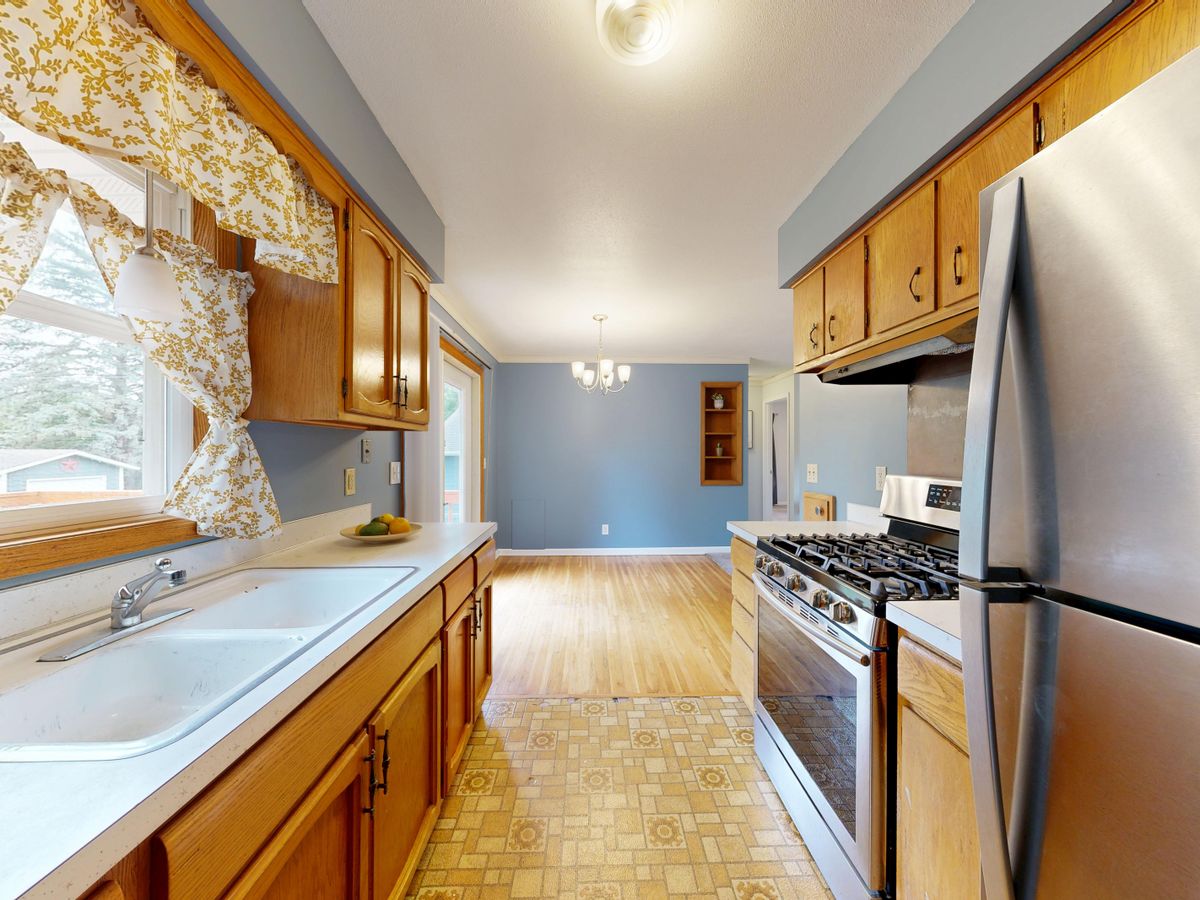
Flooring typically lands around 10% or less of a full kitchen remodel budget, but it takes more daily abuse than almost any other surface in the room — spills, dropped pans, dragged chairs, and a constant stream of foot traffic. The material you pick affects cost, comfort underfoot, and how long you'll go before redoing it. Here's how the four most commonly compared kitchen flooring materials actually stack up.
| Material | Installed cost per sq ft | Water resistance | Typical lifespan |
|---|---|---|---|
| Tile (ceramic/porcelain) | $5 – $20 | Fully waterproof (with sealed grout) | 50+ years, grout renewed every 10-15 |
| Hardwood (solid/engineered) | $6 – $18 | Water-resistant at best, not waterproof | 20-30 yrs engineered, 30-100 yrs solid with refinishing |
| LVP / luxury vinyl | $4 – $10 | Fully waterproof | 15-25 years |
| Laminate | $3 – $8 | Water-resistant, not waterproof | 10-30 years |
Tile: the durability and water-resistance champion
Porcelain and ceramic tile are the most water-resistant flooring options available for a kitchen, especially once the grout lines are properly sealed, which makes tile a strong choice for anyone whose kitchen sees a lot of water, pets, or heavy daily use. It's also the longest-lasting option on this list by a wide margin — a well-installed tile floor can realistically last 50 years or more, with grout being the part that eventually needs attention (typically every 10-15 years) rather than the tile itself. The trade-offs are real, though: tile is hard and cold underfoot without radiant heating, and dropped glass or dishware is more likely to shatter on tile than on a softer surface.
Hardwood: warmth and resale appeal, with real risk
Hardwood brings a warmth and elegance to a kitchen that none of the other three materials fully replicate, and it remains a popular, resale-friendly choice, especially when it matches flooring used elsewhere on the same level of the home. But it's genuinely the riskiest of the four for a kitchen specifically: solid hardwood is vulnerable to warping, cupping, and staining from spills, dishwasher leaks, or humidity swings, and repeated water exposure is one of the more common ways a hardwood floor gets damaged. Engineered hardwood — a real wood veneer bonded over a more dimensionally stable plywood core — handles the temperature and humidity swings of a kitchen better than solid hardwood and is the generally recommended version of "wood floor" for this room if you want the look.
LVP / luxury vinyl: the practical middle ground
Luxury vinyl plank has become one of the most popular kitchen flooring choices for good reason: it's fully waterproof, more comfortable and forgiving underfoot than tile or hardwood, installs relatively quickly with a click-lock system, and costs less than most tile or hardwood options. Realistic lifespan runs roughly 15-25 years depending on the wear-layer thickness and quality of the specific product, with better residential warranties generally following thicker wear layers. The main trade-off versus tile is durability against sharp objects and heavy point loads — LVP can dent or scratch under a dropped knife or a dragged heavy appliance in a way tile typically resists.
Laminate: the budget option, with the same caveat as hardwood
Laminate flooring uses a printed image layer under a hard, transparent wear layer over a fiberboard core, which makes it the least expensive of the four options and capable of convincingly mimicking wood or stone visually. Like hardwood, though, standard laminate is only water-resistant, not waterproof — moisture that gets into the seams or the fiberboard core can cause swelling and warping, so it's a less forgiving choice around a sink or dishwasher than tile or LVP. Some newer laminate products advertise improved water resistance for specific wear zones; check the manufacturer's actual rating rather than assuming all laminate performs the same way.
How to choose for your kitchen
- Heaviest daily use, want the longest lifespan: tile.
- Want a warm, resale-friendly look and are comfortable with the maintenance: engineered hardwood.
- Want waterproof, comfortable, and budget-conscious: LVP.
- Tightest budget, want a wood or stone look: laminate, understanding the water-resistance limits.
Matching flooring to the rest of the budget
Flooring is one of the smaller line items in a full kitchen remodel, so it's often one of the more forgiving places to either save money or splurge depending on what you've already spent on cabinets and countertops. If you're trying to hold the overall budget down, our kitchen remodel budgeting guide covers where the bigger savings opportunities are — largely cabinets and layout, not flooring — so you can decide with a full picture of where the real money goes. And if you're picking countertops at the same time, the durability-vs-cost trade-off across laminate, granite, quartz, and marble follows a similar logic to what's above; see our full countertop comparison for that side of the decision.
A note on subfloor and installation
The material price is only part of the equation. Tile generally needs a flat, rigid subfloor (sometimes requiring a cement backer board) to avoid cracking, which can add labor cost in an older home with an uneven floor. Hardwood and laminate typically install faster over an existing subfloor. LVP is generally the most forgiving of minor subfloor imperfections among the four, which is part of why installation labor tends to run lower for it relative to tile. Ask your installer to inspect the existing subfloor before you finalize a material choice, since subfloor prep costs can meaningfully change the total price for tile in particular.
See how flooring choice affects your total remodel cost
The kitchen remodel calculator factors flooring into your itemized cost breakdown.
Try the Kitchen Remodel CalculatorThere's no single "best" kitchen floor — the right material depends on how much water and abuse your specific kitchen sees, how long you plan to stay in the home, and how much you're willing to spend upfront versus over the life of the floor. Waterproof options (tile, LVP) remove one entire category of risk that hardwood and laminate simply can't fully eliminate.
Bottom line
If water resistance and lifespan matter most, tile or LVP are the safer bets for a kitchen specifically — they're the only two materials here that are genuinely waterproof rather than merely water-resistant. Hardwood and laminate both bring a warmer look at the cost of real vulnerability to spills and humidity, so reserve them for kitchens where you're comfortable with more careful daily maintenance, or where engineered construction (for hardwood) reduces that risk.